
Guide
Unique Challenges in Maintaining Stylish Sofa Upholstery
You love how your sofa’s patterned fabric anchors the room, yet keeping it photo-ready feels like a full-time hobby.
Between surprise coffee spills, sunlight fade, and that mysterious dust that sneaks into every weave, upholstery maintenance can feel endless.
When you wonder whether a quick vacuum will do or if deeper care is smarter, browsing practical advice from Cleaner Cleaner can clarify what your fabric actually needs right now.
Prolonging Upholstery Lifespan

Imagine settling into a sofa that still looks showroom-fresh ten years on; that dream becomes reality when consistent, mindful habits support every fibre, spring, and seam.
Understand Material Limits
Different fabrics breathe, stretch, and age uniquely, so tailoring care plans to cotton, leather, or performance blends prevents invisible stresses that shorten a couch’s useful years.
Create a Gentle Routine
Weekly vacuum passes with an upholstery nozzle whisk away abrading grit while monthly inspections catch fraying threads early, stopping small defects from evolving into costly repairs.
Embrace Protective Add-ons
Slipcovers, arm caps, and reversible cushions take the brunt of daily wear, sparing the original upholstery and letting you swap styles without permanent reupholstery expenses.
Schedule Professional Tune-ups
Annual visits from certified technicians—such as those featured by Austin Furniture Repair—deep-clean, re-stuff sagging cushions, and retighten frames, extending structural integrity alongside surface beauty.
Routine Care Checklist
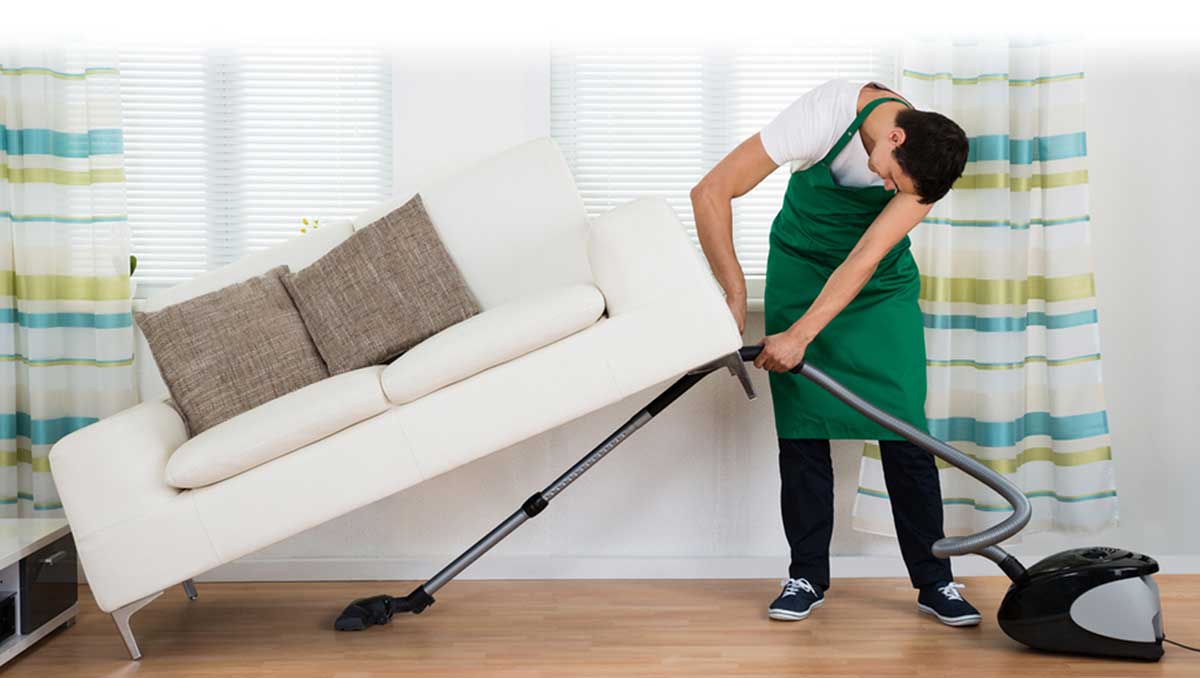
Consistency beats intensity; tiny weekly actions accumulate into dramatic longevity gains, guarding colour, texture, and overall freshness against inevitable household chaos and environmental exposure.
- Review Tags — Care labels reveal water tolerance, heat limits, and accepted solvents, guiding every subsequent maintenance decision with manufacturer-backed authority.
- Vacuum Methodically — Slow overlapping passes remove embedded grit that saws through fibres, while crevice tools excavate sneaky crumbs in welt cords and button tufts.
- Flip and Rotate — Turning cushions distributes body pressure and sunlight, encouraging even wear rather than premature compression or patchy fading on favourite perches.
- Protect From Direct Sun — Draw blinds midday or install UV-filtering window film to halt photodegradation that leaches dye vibrancy and weakens fabric strength.
- Book Professionals — A yearly hot-carbonating extraction from purges deep allergens while leaving minimal moisture, preventing mold inside padding.
Tick these steps off a printed checklist kept in the living room drawer, and maintenance becomes automatic, quick, and gratifying instead of overwhelming and sporadic.
Avoiding Cleaning Blunders
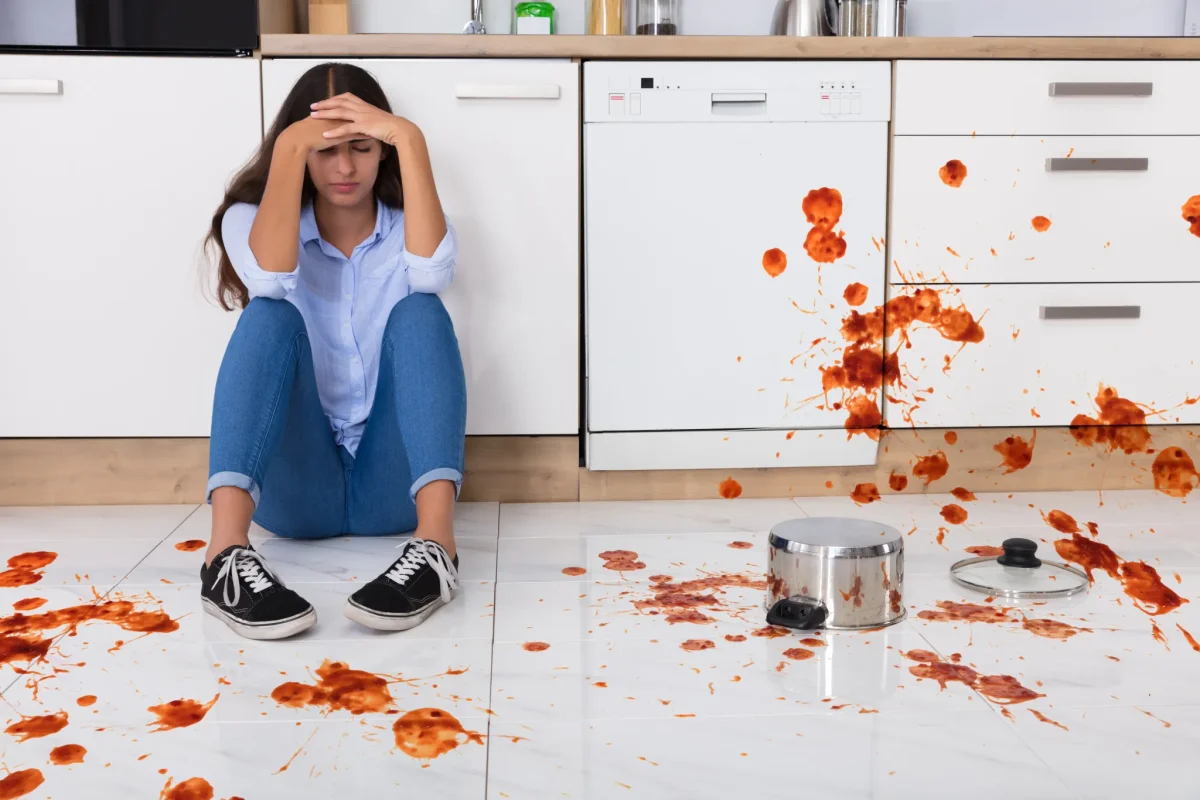
One careless scrub can set a stain forever or distort delicate weaves, so mastering technique shields both appearance and resale value during hurried crisis moments.
Respect Cleaning Codes
The alphabet soup—W, S, WS, X—dictates whether water, solvent, or vacuum alone belongs in contact with fabric; ignoring codes risks shrinkage, rings, or dye migration.
Test Before Committing
A cotton swab dab behind a skirt hem predicts reactions; if colour transfers or fibres roughen, abandon that cleaner instantly and seek an alternate formulation.
Blot, Never Rub
Circular scrubbing grinds soil deeper and fluffs pile; instead, press fresh microfiber cloths downward, lifting contaminants vertically and preserving the weave’s original orientation.
Avoid Heat Panic
Hair dryers may seem helpful, yet rapid drying can set tannins or protein stains; allow ambient airflow or a fan to finish moisture removal safely.
Quick Stain Solutions
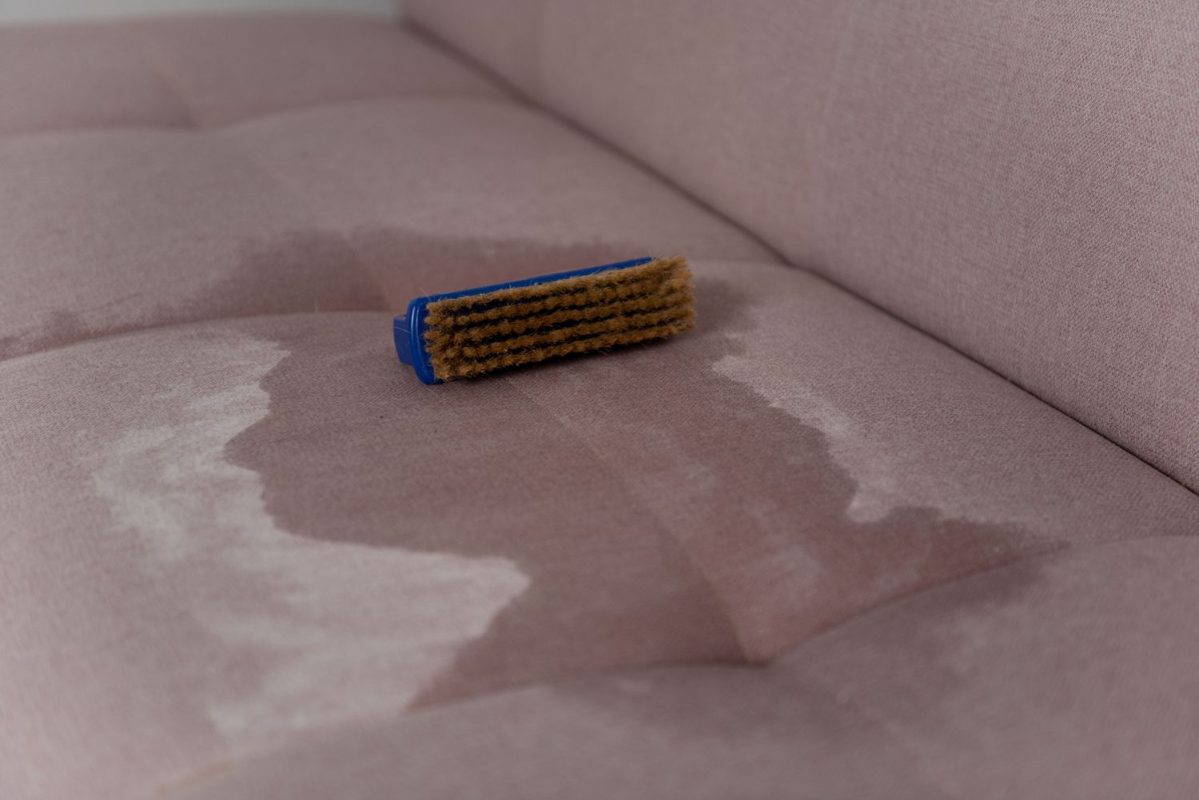
Spills happen fast, yet speed and strategy reverse most disasters; assemble a compact “first-aid” kit so lifesaving tools sit within arm’s reach of living-room traffic.
- Soda Water Flush — Carbonation lifts fresh wine or coffee before pigments bind, while gentle bubbles avoid aggressive chemical reactions that could bleach colours.
- Dish Soap Suds — A teaspoon in warm water tackles greasy fingerprints; whisk into foam, apply suds only, and blot away oils without overwetting interior padding.
- White Vinegar Mist — Diluted acid neutralises alkaline stains like pet accidents, curbing lingering odours and discouraging discolouration rings from forming at the perimeter.
- Alcohol Swabs — Spot-treat pen marks on microfiber; isopropyl evaporates quickly, minimising watermark risk while dissolving ink’s binding agents for easy lift.
- Cornstarch Poultice — Spread over soda or sauce spots, let dry, then vacuum; the powder absorbs moisture and pigment in one low-tech, fabric-friendly action.
Replace used supplies promptly, and rehearse procedures with water on hidden fabric so household members act confidently when real emergencies strike.
Tackling Persistent Ink
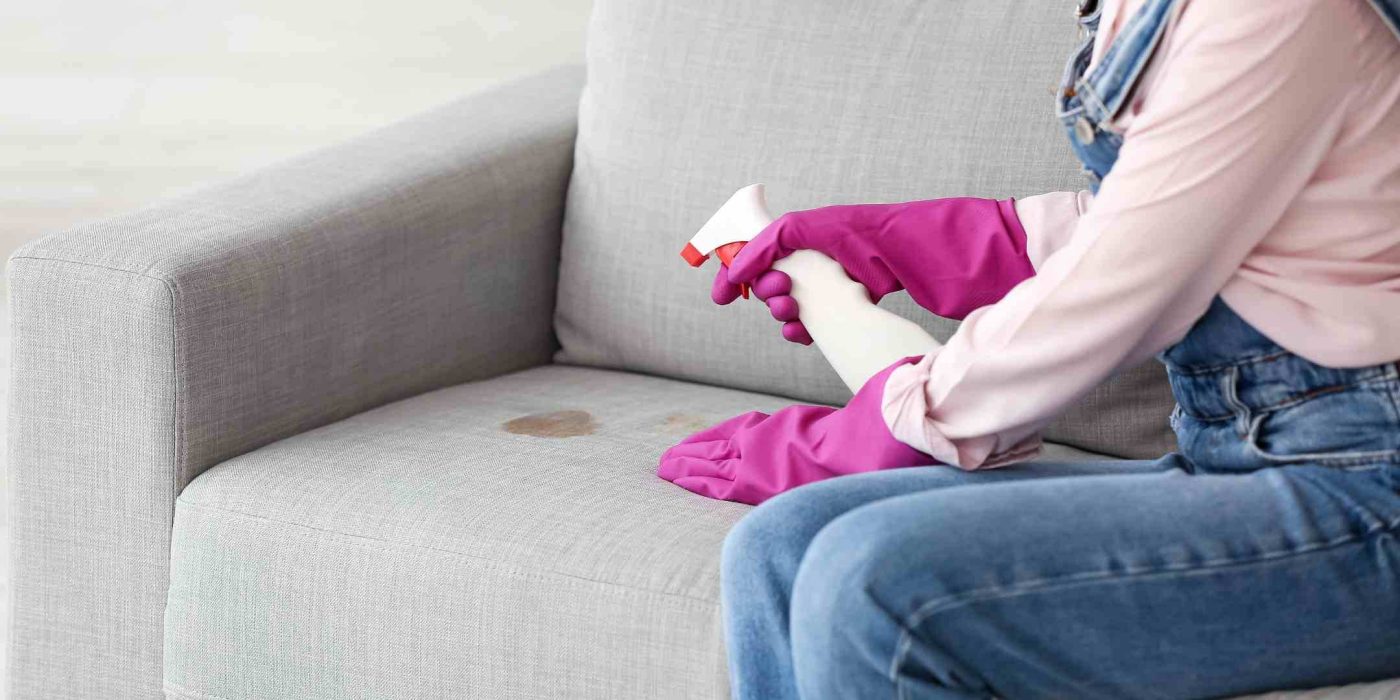
Ink terrorises upholstery because dyes sink deep into pores; conquering the stain demands patience, layering techniques, and a willingness to stop at “good enough.”
Identify Ink Type
Ballpoint oil-based inks respond to solvents, while water-based markers dilute with moisture; knowing the composition prevents futile chemical choices that spread colour wider.
Start With Blotting
Press folded paper towels beneath the fabric if possible, then blot topside to transfer excess pigment downwards, containing spread before chemical treatments begin.
Apply Solvent Sparingly
Denatured alcohol on cotton swabs dissolves ink gradually; work from edge inward, rotating swabs frequently to avoid re-depositing lifted dye onto clean zones.
Neutralise and Rinse
Follow solvent with mild dish-soap foam to remove oily residue, then blot plain water to rinse; finish by air-drying away from direct heat sources.
Pets, Hair, and Odor
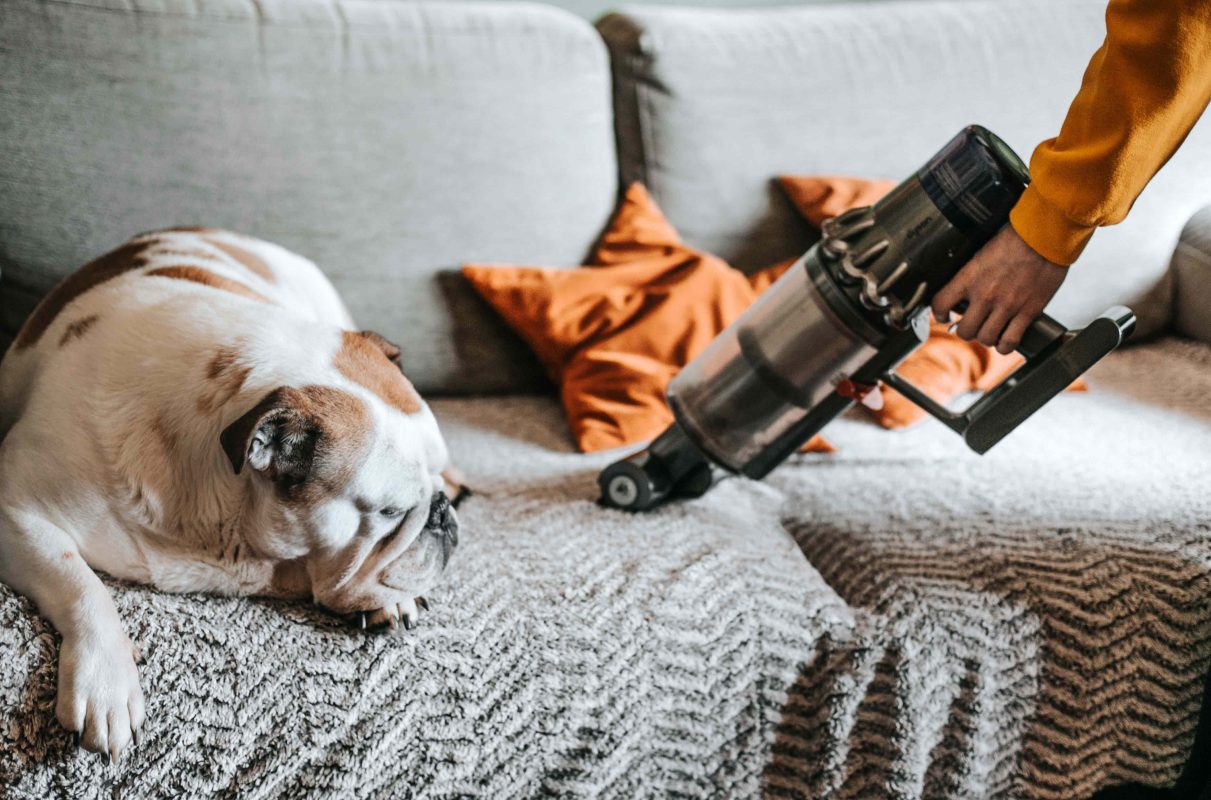
Four-legged companions amplify upholstery challenges, yet strategic habits keep fur tumbleweeds, claw snags, and lingering smells from overshadowing cuddly benefits.
- Designate Pet Throws — Machine-washable blankets capture fur and dander, creating a stylish barrier you can whisk away before guests arrive for scent-free seating.
- Brush Before Couch Time — A quick grooming session sheds loose hairs outdoors, preventing their embedment into weave crevices where vacuums struggle to reach.
- Use Rubber Gloves — Dampen and sweep across cushions; static attraction rolls stubborn hairs into clumps easier to grab than standard vacuum passes deliver.
- Deodorise With Baking Soda — Light dusting absorbs pet odours overnight; vacuum thoroughly next morning, leaving upholstery neutral without masking fragrances.
- Trim Claws Regularly — Blunt nails lower snag risk on loosely woven linens and tweeds, saving you expensive reweave or patch repairs later.
Combine these tactics, and living-room harmony reigns—pets stay welcome, and furniture maintains the crisp aesthetic you curated with care.
Decoding Cleaning Codes
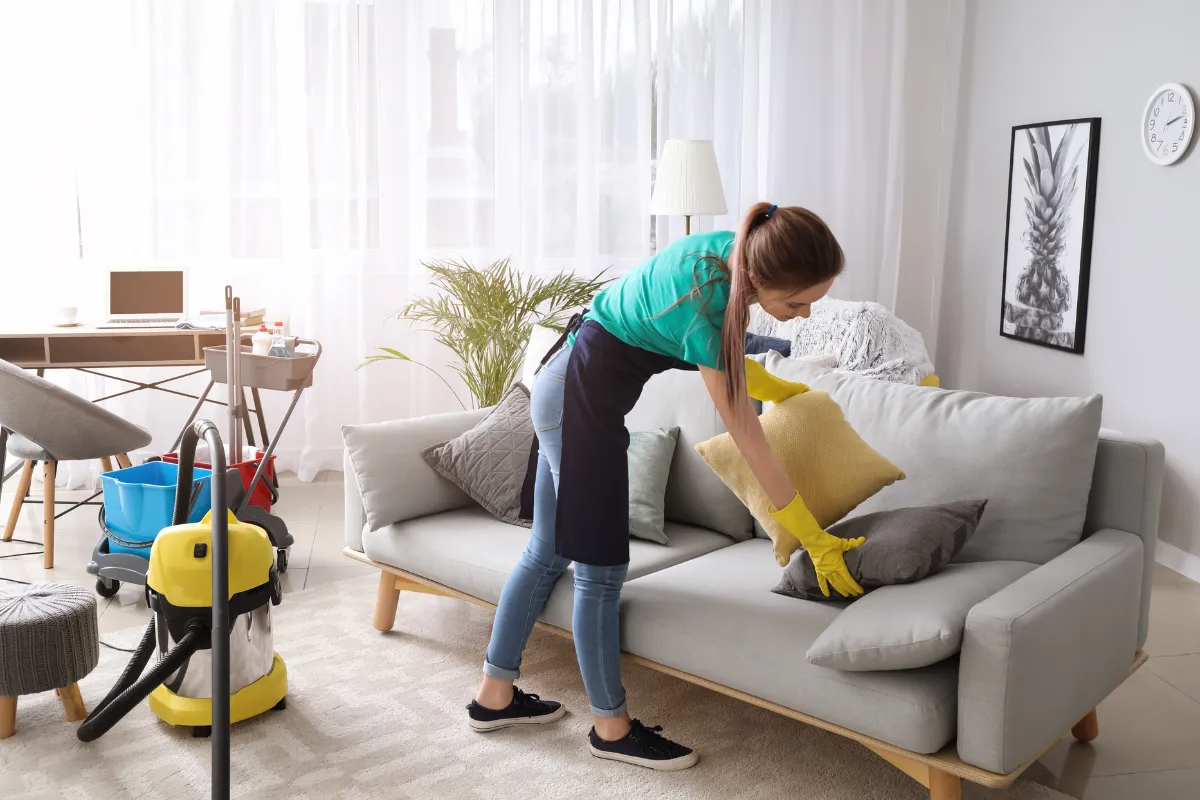
Those tiny letters on furniture tags carry big authority; deciphering them transforms guesswork into science, ensuring every cleaner complements rather than compromises luxurious fabrics.
Code W Confidence
Water-based shampoos suit these fabrics; use lukewarm solutions, work in foam, and blot excess liquid swiftly to avoid watermark rings or prolonged drying times.
Solvent-Only S Fabrics
Ventilate the room, wear gloves, and choose non-toxic dry-cleaning fluids; never mix with water, which can coagulate soil and lock stains permanently into fibre channels.
Versatile WS Labels
Test both methods; begin with a gentler water solution, escalate to solvent if residue persists, always finishing with a dry towel press to accelerate evaporation.
X Means Vacuum
Resist the temptation to spot-clean; even distilled water may distort sizing agents, so rely on regular suction and professional intervention for any spill emergencies.
Strategic Deep Cleans

Daily habits sustain, yet periodic intensive sessions restore vibrancy, flush hidden allergens, and reset cushions’ loft, keeping relaxation hygienic and visually rewarding.
Pick the Right Season
Spring and early autumn offer moderate humidity; open windows expedite drying without stressing HVAC systems, reducing mould risk inside foam cores post-clean.
Invest in Equipment
Rent extraction machines with low-moisture settings or attach upholstery wands to carpet cleaners, ensuring PSI stays gentle to avoid backing separation or shrinkage.
Layer Treatments
Pre-vacuum thoroughly, pretreat stains, extract with approved solution, then apply protective spray; sequential steps compound effectiveness rather than addressing issues piecemeal.
Allow Full Dry Time
Prop cushions vertically on breathable racks, circulate air with fans, and wait until completely dry before reassembly to avert hidden mildew surprises.
Shielding From Sun Damage

Ultraviolet light silently steals colour and integrity; proactive design choices and easy add-ons thwart fading, cracking, and brittleness before noticeable ageing sets in.
- Rearrange Layouts — Move seating away from picture windows or angle pieces so backrests, not cushions, face the strongest afternoon rays, reducing exposure hours.
- Install UV Film — Transparent window films block harmful wavelengths while preserving outdoor views and natural daylight, offering long-term fabric insurance without décor compromise.
- Employ Solar Shades — Sleek roller shades lower quickly during peak hours, marrying minimalist style with potent defence against photodegradation and interior temperature spikes.
- Rotate Periodically — Swapping cushion positions every fortnight distributes residual fading evenly, maintaining a uniform tone that eyes perceive as intentionally vintage, not damaged.
- Utilise Decorative Covers — Stylish throws or seasonal slipcovers absorb sacrificial fading, sparing premium upholstery for special occasions and extending original vibrancy.
Following guidance like that from Howard’s Upholstery, you safeguard investment pieces, ensuring sunlight highlights décor rather than accelerating its decline.
Final Fabric Wisdom
You now grasp the subtle science behind preserving fashionable seating. Think ahead, inspect often, respond fast, and respect the fabric’s own instructions. These deliberate habits prevent premature wear, discolouration, and embedded grime, keeping cushions comfortable and attractive. Master them, and your sofa remains a reliable, stylish refuge for years ahead.