
Guide
Easy Ways to Get Pen Ink out from a Fabric Couch
An errant pen mark on your fabric couch can feel like a disaster. Whether a rogue biro rolled off the table or a creative little one decided to use the sofa as their canvas, a pen ink stain can seem impossible to remove. The good news is that with the right approach and a few common household items, you can often lift the stain without professional help.
This comprehensive guide will walk you through the most effective DIY methods for removing pen ink from your fabric couch, explain why different inks and fabrics require different cleaning methods, and provide expert advice on when to call in a professional.
Before You Begin: The Golden Rules of Stain Removal

Before you reach for any cleaning solution, there are a few crucial steps you must follow. Taking these precautions can be the difference between a successful clean and a permanent stain.
- Act Immediately: The sooner you tackle the stain, the better your chances of success. Fresh ink is far easier to remove than a stain that has had time to dry and set into the fabric fibres.
- Blot, Don’t Rub: This is the most important rule. Rubbing a stain will only spread the ink and push it deeper into the fabric, making it much harder to remove. Always blot the stain gently with a clean cloth, working from the outside in to prevent it from getting larger.
- Check the Fabric Care Code: Your sofa’s manufacturer will have a cleaning code on its label, usually located underneath a cushion. This code is your guide to which cleaning methods are safe. A “W” code means you can use water-based cleaners. An “S” stands for solvent-based cleaners, so avoid using water. An “S W” means you can use either a solvent or a water-based cleaner, and an “X” means the fabric can only be vacuumed and no liquids are allowed.
- Always Do a Patch Test: No matter what method you choose, always test it first on a small, hidden area of the couch. This will ensure the solution does not discolour or damage the fabric.
Understanding Ink Types and Cleaning Agents

Not all ink is created equal. The type of ink determines the best cleaning agent to use. For example, Ballpoint Pen Ink (Biro) is the most common culprit. It is oil-based, which means it requires a solvent to break it down. Alcohol based products are highly effective. Water-based ink is often found in felt-tip pens and some fountain pens. These stains are easier to remove and often respond well to water-based solutions like soap and water. On the other hand, Permanent Marker Ink stains are the most challenging. They are designed to be long-lasting and will require a strong solvent-based cleaner and a lot of patience.
Your DIY Ink Stain Removal Toolkit

You likely have everything you need in your home already. Here are the most effective cleaning agents for removing pen ink from a fabric couch:
- Rubbing alcohol (also known as isopropyl alcohol)
- Hairspray (must be alcohol based)
- White vinegar
- Liquid washing up liquid (or a mild dish soap)
- Baking soda
- Clean white cloths or paper towels
- Spray bottle
Step-by-Step DIY Cleaning Methods
Here are the most effective methods, listed from the most common and generally successful to more specialised solutions.
Method 1: The Rubbing Alcohol Power Clean (For Biro and Permanent Marker)

Rubbing alcohol is a powerhouse for removing oil-based stains. It works by dissolving the oil in the ink, allowing it to be lifted from the fabric. You will need rubbing alcohol and clean white clothes. To begin, dab a small amount of rubbing alcohol onto a clean white cloth, but do not pour the alcohol directly onto the stain, as it can spread the ink and damage the fabric. Then, gently blot the ink stain with the dampened cloth; you will see the ink begin to transfer from the couch to the cloth.
Keep using a clean section of the cloth or a new cloth as the ink transfers. This is crucial for not re-applying the stain. Continue blotting until no more ink is lifting from the fabric. Once the stain is gone, blot the area with a new cloth dampened with cool water to rinse away the alcohol residue. Finally, allow the area to air dry completely. You can use a fan or a hairdryer on a cool setting to speed up the process.
Method 2: The Vinegar and Washing Up Liquid Solution (For Lighter Stains)
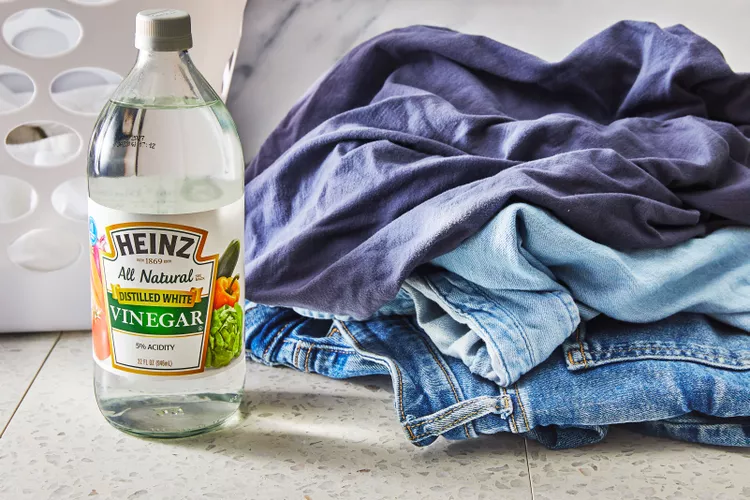
This is an excellent option for minor stains and for sofas with a “W” cleaning code. The vinegar breaks down the stain while the soap helps to lift and remove it. You will need 1 tablespoon of washing-up liquid, 2 teaspoons of white vinegar, 250ml of cool water, a spray bottle, and clean clothes. To start, mix the washing-up liquid, white vinegar, and water in a spray bottle, and shake gently to combine.
Lightly spray the solution onto a clean cloth, and gently dab the ink stain with the dampened cloth. Do not saturate the fabric. Allow the solution to sit on the stain for a few minutes to work its magic. Then, blot the area with a clean, dry cloth to absorb the lifted ink. Use a new cloth with clean water to rinse the area and remove all soap residue. Finally, pat the area dry and allow it to air dry fully.
Method 3: The Hairspray Hack (For a Quick Fix)
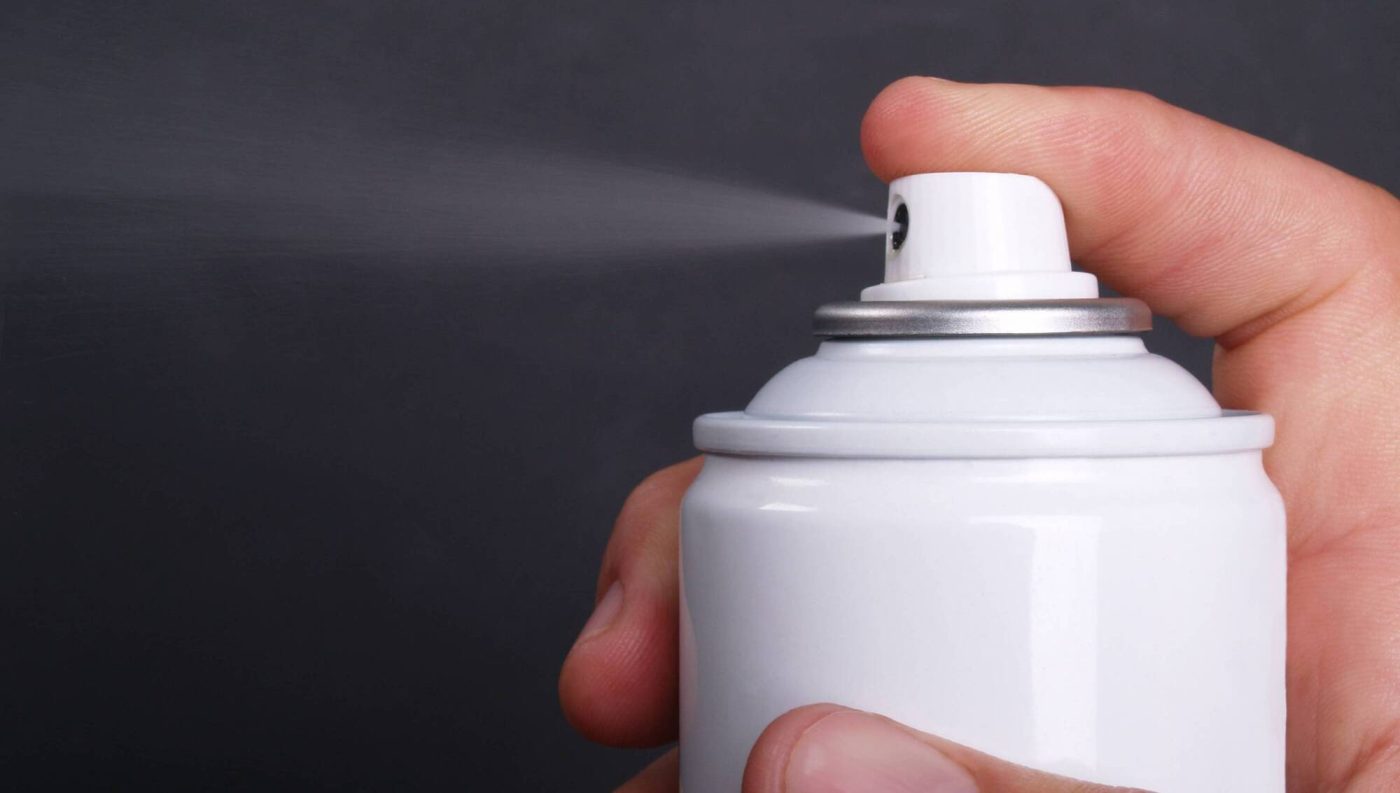
Hairspray is a popular home remedy because it contains alcohol, which is the key ingredient for dissolving ink. For this method, you will need an alcohol based hairspray and clean cloths. First, check the hairspray’s ingredients to ensure it contains alcohol. Then, spray a small amount of hairspray directly onto the ink stain.
Allow the spray to sit for about 30 seconds to a minute, and gently blot the stain with a clean, damp cloth. The ink should transfer to the cloth. Repeat the process as needed. Finally, rinse the area with a clean, damp cloth to remove the hairspray residue and pat dry.
Method 4: The Baking Soda Paste (A Gentle Abrasive)

For fabrics that can handle a bit of gentle scrubbing, a baking soda paste can be very effective. For this method, you will need baking soda, water, and a stiff-bristle brush or an old toothbrush. In a small bowl, mix a small amount of baking soda with a few drops of water to create a thick paste.
Apply the paste directly onto the ink stain. Using a stiff-bristle brush or an old toothbrush, gently scrub the paste into the stain in small, circular motions. Allow the paste to dry completely, which will take about 10-15 minutes. As it dries, it will absorb the ink. Once dry, vacuum up the baking soda residue. If the stain remains, repeat the process.
Tackling Specific Scenarios and Stubborn Stains
For Dried Ink Stains
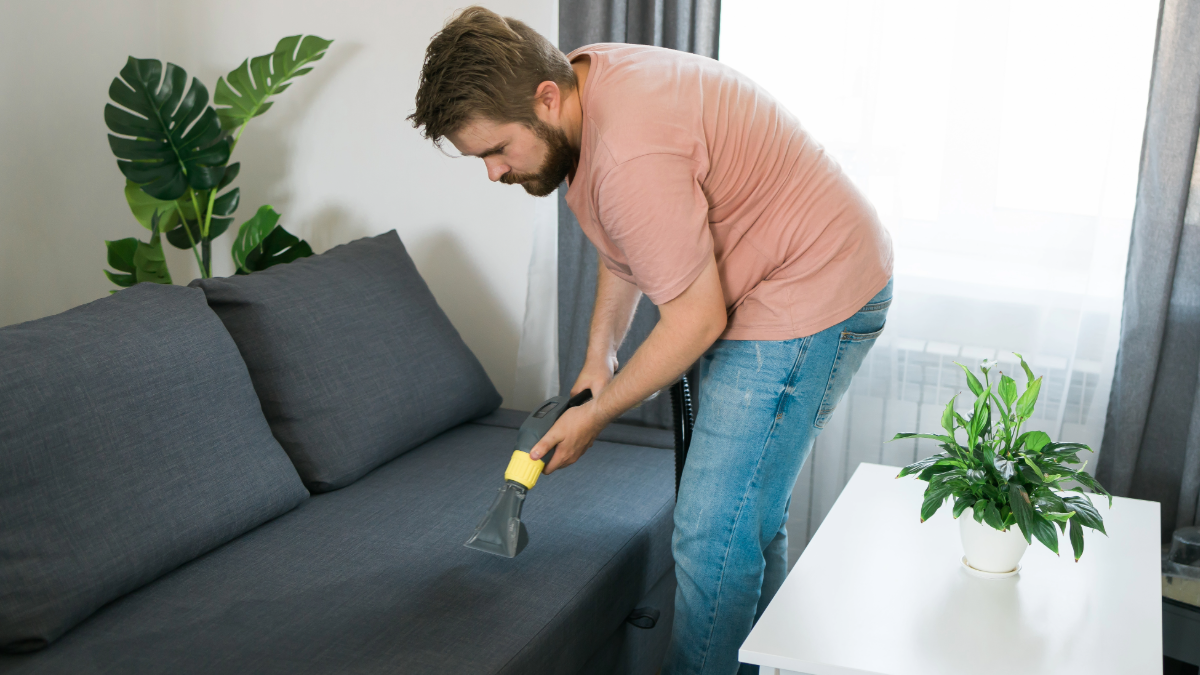
If the ink stain is old and dry, you will need to be a bit more aggressive. The rubbing alcohol method is still your best bet. Apply the alcohol to a cloth and place it over the stain for a few minutes to help re-wet and dissolve the ink before you begin blotting.
Dealing with Different Fabrics
Microfibre fabric is generally durable and stain-resistant; the rubbing alcohol method is very effective on microfibre. On the other hand, natural fibres like cotton and linen can soak up ink quickly, so you need to act fast. Rubbing alcohol works well, as does the vinegar and soap mixture. For delicate fabrics like silk or velvet, you should proceed with extreme caution. Avoid rubbing, and your best bet is to use a commercial spot cleaner specifically for delicate fabrics or call a professional.
When DIY Won’t Do Professional Help
Sometimes, no matter how hard you try, the stain won’t budge. This is when it’s time to call in a professional upholstery cleaner. Consider hiring a pro if:
- The stain is very old or very large.
- You’re dealing with a permanent marker stain. These are designed to be tough and often require professional-grade solvents.
- Your sofa’s care code is “S” or “X”. These fabrics require specialist cleaning methods that you should not attempt yourself.
- The fabric is delicate or valuable. A professional will have the right tools and expertise to clean without causing damage.
Professional cleaners in the UK often use a process called hot water extraction, which injects a cleaning solution deep into the fabric and then immediately extracts it with a powerful vacuum. This is highly effective at removing deep-seated stains without over-saturating the sofa.
Prevention is the Best Cure
Once your couch is spotless, here is how to keep it that way. The key is a simple, consistent maintenance routine. Invest in a Quality Couch Cover. This is your best defence against future stains. Choose a breathable, washable cover that provides a simple, removable barrier against spills and accidents.
You should also keep pens away from the couch in a designated area. This is the simplest and most effective preventative measure. Keep a cleaning kit ready with a spray bottle of your chosen cleaning solution, a few clean cloths, and a small brush. Having this on hand will ensure you can act quickly when a stain happens.
Final Verdict
Don’t let a pen mark on your couch ruin your day. While it might seem like a daunting task, remember that acting quickly and choosing the right method is all it takes to make the stain disappear. With these easy, proven techniques, your fabric couch can be clean and beautiful again.